
Minnesota Water Pros blog
How to Choose the Best Water Softener for a Minnesota Home
Published September 17, 2026 · 11 min read · Educational content only, not a water quality diagnosis.
In this guide
- Why the best softener is a sizing decision, not a brand decision.
- How grain capacity, flow rate, and regeneration style affect daily performance.
- Salt-based versus salt-free systems, and which Minnesota homes each one fits.
- The certifications and warranty terms that separate solid equipment from marketing.
- A practical checklist for comparing systems before you buy.
Search for the best water softener and you will find endless ranked lists, most of them written by sites that earn a commission on whatever they recommend. Here is the truth those lists skip: there is no single best softener, because softeners are not one-size products. The best system for a Minnesota home is the one matched to that home's water hardness, household size, plumbing, and priorities. A perfectly built softener that is sized wrong will disappoint you. A modest system that is sized and installed correctly will serve you for years.
This guide walks through the decisions that actually matter, in the order you should make them. By the end, you will know how to read a spec sheet, what questions to ask any company quoting you a system, and how to tell a genuine recommendation from a sales script. If you want the short version first, our Find Your Solution tool narrows the categories worth exploring in about two minutes.
Start With Your Water, Not With a Brand
Every good softener decision starts with two numbers: your water hardness and your household's daily water use. Hardness is measured in grains per gallon, and it tells you how much work the softener must do every day. If you are on city water, your utility's annual water quality report often lists hardness, and our local water quality page compiles Minneapolis and St. Paul data with sources and reporting periods. If you are on a private well, hardness is only part of the picture, and a current test from an accredited laboratory is the right starting point, as the Minnesota Department of Health recommends.
Why does this come first? Because hardness multiplied by daily water use tells you how much capacity the system needs between regeneration cycles. A household using 300 gallons a day at 15 grains per gallon needs roughly twice the capacity of the same household at 7 grains. Any company that recommends a system before asking about your hardness and your household is guessing, and you will pay for the guess in salt, water, and early equipment wear.
Grain Capacity and Flow Rate: The Two Numbers That Matter
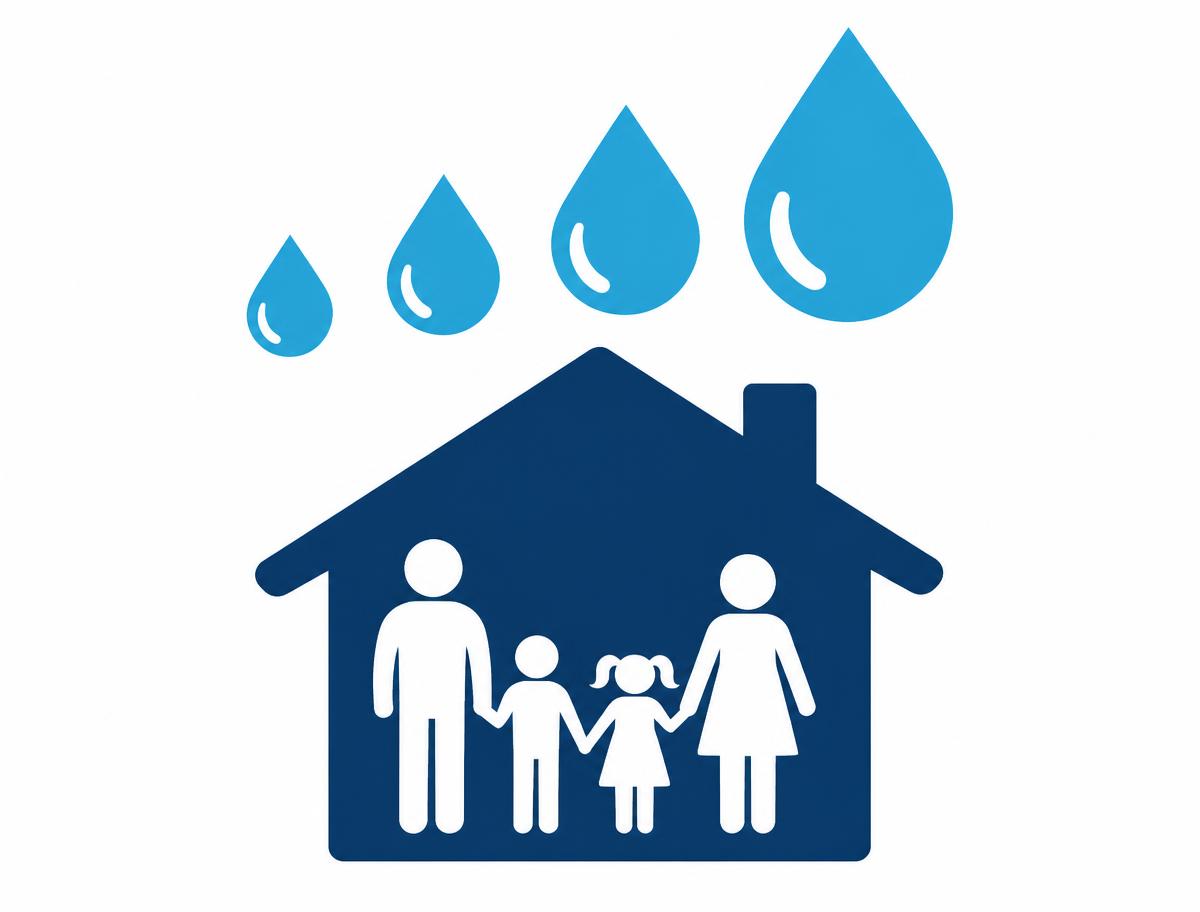
Grain capacity is the amount of hardness a softener can remove before it needs to regenerate. Common residential sizes range from around 24,000 grains for small households with moderate hardness up to 64,000 grains or more for large households or very hard water. Bigger is not automatically better. An oversized system regenerates infrequently, which sounds efficient but can let resin sit too long between cycles. An undersized system regenerates constantly, burning through salt and wearing out its valve years early.
Flow rate is the quieter spec, and the one homeowners feel when it is wrong. It measures how many gallons per minute the system can soften without restricting your water pressure. If your flow rate is too low, you will notice it at the worst possible moment: when two showers, a washing machine, and a dishwasher all run at once. A good installer asks about your bathrooms and your household's peak routines, then matches the valve and tank to that demand.
Metered Versus Timer Regeneration
Softeners clean their resin through a process called regeneration, and how the system decides when to regenerate matters for your wallet. Timer-based systems regenerate on a fixed schedule, whether the resin needs it or not. Metered systems, sometimes called demand-initiated regeneration, track how much water you have actually used and regenerate only when the resin is approaching exhaustion. For most households, metered regeneration is the clear choice: it uses less salt, less water, and adapts automatically when your usage changes, like when the kids leave for college or family visits for the holidays.
Dual-tank systems take a different approach to the same problem. Instead of one tank that goes offline during regeneration, two tanks alternate, so your home has soft water around the clock, even at two in the morning when a single-tank system might be mid-cycle. For larger households or homes with unpredictable schedules, a dual-tank setup is worth considering. Our dual-tank whole-home filtration package is built for exactly that situation.
Salt-Based Versus Salt-Free: An Honest Comparison
Salt-based ion exchange is the proven way to actually remove hardness minerals from water. The resin captures calcium and magnesium and releases a small amount of sodium in their place. The result is genuinely soft water: no scale, no spots, soap that lathers the way it should. The trade-offs are real but manageable: you refill salt, the system uses water for regeneration, and the brine discharge goes to your drain.
Salt-free systems are conditioners, not softeners. They change how hardness minerals behave so scale is less likely to stick to surfaces, but the minerals stay in the water. For homeowners who want to avoid salt bags and brine discharge, and whose main concern is scale rather than spots and soap performance, conditioning can be a reasonable fit. For homeowners who want the minerals actually gone, ion exchange is the answer. Neither is universally best. The honest question is which trade-offs fit your household, and any company that refuses to acknowledge the trade-offs is selling, not advising. We offer both approaches in our product catalog for exactly that reason.
Certifications and Warranty: Separating Signal From Marketing
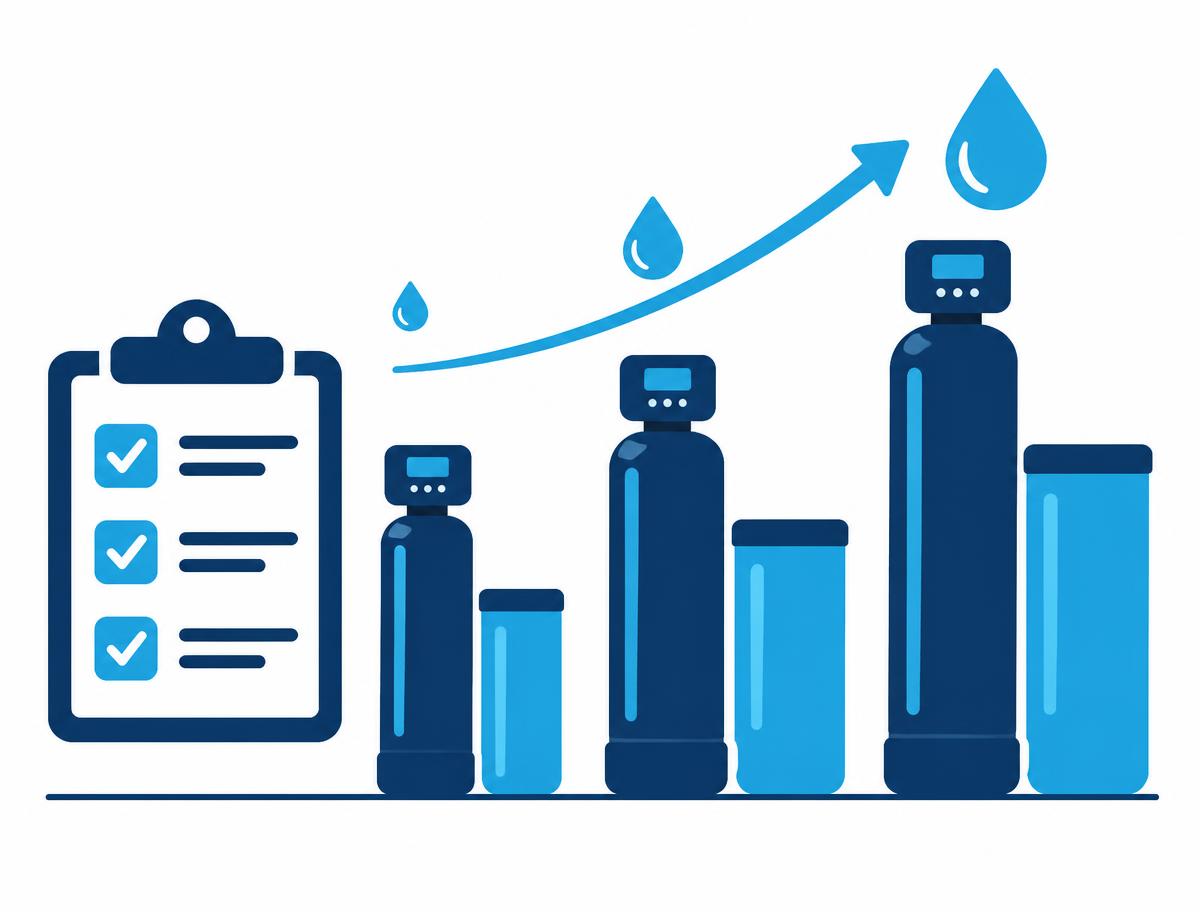
Two marks worth looking for on any softener are NSF/ANSI Standard 44 certification and the WQA Gold Seal. NSF/ANSI 44 is the recognized standard for residential cation exchange water softeners, and it means the equipment's performance claims have been independently tested. The Water Quality Association's Gold Seal program certifies products to industry standards as well. Neither mark guarantees the system is right for your home, but both tell you the manufacturer submitted to outside verification, which is more than most marketing claims can say.
The warranty deserves the same scrutiny as the equipment. Ask what is covered, for how long, and in writing. Ask who services the system locally if something fails in year six. A lifetime warranty means very different things at different companies, so get the system-specific terms before you decide. Our warranty page explains what our lifetime warranty covers, and we put the written terms in your hands during the consultation, not after the install.
The Installation Is Part of the Product
A softener is plumbing equipment, and its performance depends on how it is installed and configured. The control valve needs to be programmed for your actual hardness level. The drain line needs to be routed correctly. The bypass valve, the connections to your main line, and the startup cycle all determine whether the system you bought is the system you get. This is why we include professional installation and a full walkthrough with every whole-home package, and why our published prices are installed prices rather than equipment-only numbers.
It is also why the cheapest quote is often not the cheapest system. A low number that excludes installation, configuration, or warranty support is not the same product as a complete installed package. When you compare options, compare the whole job. Our best-price guarantee applies to comparable equipment with professional installation, which keeps the comparison honest.
A Practical Checklist Before You Buy
- Know your hardness. City water homes can start with the utility's published report. Well homes should start with a current accredited lab test.
- Know your household. Bathrooms, occupants, and peak usage patterns determine capacity and flow rate.
- Choose metered regeneration for efficiency, or dual-tank if around-the-clock soft water matters to you.
- Decide between salt-based softening and salt-free conditioning based on what you actually want changed about your water.
- Look for NSF/ANSI 44 certification or the WQA Gold Seal on the equipment.
- Get the warranty terms in writing, and ask who services the system locally.
- Compare installed prices, including drinking-water treatment, not equipment-only stickers.
Common Mistakes Minnesota Homeowners Make
The first mistake is buying for the house you wish you had rather than the water you actually have. A softener chosen for a neighbor's recommendation or a review site's ranking may be fine equipment aimed at the wrong problem. If your real issue is chlorine taste, a softener will not fix it. If your well water carries iron, a basic softener will foul. The water comes first; the equipment follows.
The second mistake is undersizing to save money. A smaller tank costs less up front, but it regenerates more often, uses more salt and water over its life, and wears out its valve years early. The savings evaporate, and the performance never arrives. The mirror-image mistake, oversizing, wastes money too: resin that sits too long between regenerations can degrade, and you paid for capacity you never use. Correct sizing is not a upsell. It is the difference between a system that serves you for many years and one that disappoints you in three.
The third mistake is comparing sticker prices instead of installed systems. An equipment-only price and an installed price are not the same product, and a quote that excludes installation, configuration, or warranty support is lower for a reason. The fourth mistake is skipping the warranty conversation. Ask what is covered, for how long, and who services the system locally, and get it in writing before you decide. A company confident in its equipment and its work will answer those questions easily.
How Long a Good Softener Lasts
A quality softener, correctly sized and reasonably maintained, is a long-term appliance. The control valve and tanks routinely serve for many years, and the resin bed, the part that does the actual softening, lasts longest when it is protected from chlorine and iron. That is the quiet argument for pairing: city-water homes that run carbon filtration ahead of the softener are not just improving taste, they are extending the softener's life. Well homes that treat iron upstream are doing the same. The cheapest softener is the one you buy once.
Warranty terms are the other half of longevity. A lifetime warranty, like the one on our systems, only has value if the company behind it answers the phone in year eight, which is why local service matters as much as the paper the warranty is printed on. Ask who services the system, where they are, and what a service visit costs. The answers separate companies planning to be around from companies planning to be gone.
Questions to Ask Any Company Before You Buy
Whether you buy from us or anyone else, these questions protect you. What is the installed price, in writing, and what exactly does it include? How did you size this system for my home, and what hardness number did you use? What does the warranty cover, for how long, and who services it locally? What maintenance will I do myself, and what will it cost each year? If I get a lower written quote for comparable equipment and installation, what happens? A trustworthy company answers every one of these without squirming, and the answers let you compare quotes on substance instead of salesmanship. Our own answers are published: installed prices, a lifetime warranty, and a best-price guarantee that beats a lower written quote for comparable equipment and professional installation.
If you would rather talk it through, that is what we are here for. A free phone consultation starts with your water source, your household, and your goals, and we serve Minneapolis, St. Paul, and surrounding communities across the metro. You can also read about why Twin Cities homeowners choose professional water treatment for the bigger picture, or how a softener actually works if you want the chemistry behind the checklist. The best softener for your home exists. It is the one matched to your water, sized to your household, and backed in writing, and finding it is far easier than the ranked lists and review sites make it seem.
Frequently asked questions
What size water softener do I need for my home?
Sizing depends on your water hardness in grains per gallon multiplied by your household's daily water use, which determines the capacity needed between regenerations. Flow rate matters too: the system must keep up with peak demand, like two showers and a washing machine at once. A professional sizes from your measured hardness and household details.
Is a salt-free water conditioner as good as a softener?
They do different things. A salt-based softener removes hardness minerals through ion exchange, eliminating scale, spots, and soap scum. A salt-free conditioner changes how minerals behave so scale sticks less, but the minerals remain in the water. If you want the minerals actually gone, ion exchange is the proven approach.
What certifications should I look for in a water softener?
Look for NSF/ANSI Standard 44 certification, the recognized standard for residential cation exchange softeners, or the Water Quality Association's Gold Seal. Both mean the equipment's performance claims were independently tested. Certification does not replace correct sizing, but it separates verified equipment from marketing claims.
What is metered regeneration, and why does it matter?
Metered or demand-initiated regeneration means the softener tracks your actual water use and regenerates only when the resin needs it. Timer-based systems regenerate on a fixed schedule whether needed or not. Metered systems use less salt and water and adapt automatically when your household's usage changes.
How much should a good water softener system cost?
With Minnesota Water Pros, a whole-home filtration and softening system starts at $2,999 installed, including a kitchen reverse osmosis system. Dual-tank systems are $3,999. Compare installed prices that include configuration and warranty support, not equipment-only sticker prices, and get warranty terms in writing.
Do I need a water test before choosing a softener?
City water homes can usually start with the utility's published water quality report, which often lists hardness. Private well homes should start with a current test from an accredited laboratory, since well water can involve iron, manganese, and other factors that change which equipment makes sense.
More from the blog
Does a City-Softened Minneapolis Home Need Extra Water Treatment?
Minneapolis already softens its municipal water. Here is how to decide whether additional household treatment serves a real purpose.
Saint Paul Drinking-Water Taste: Kitchen Filter or Main-Line Treatment?
A kitchen taste preference and a whole-home treatment goal are different projects. Learn how to compare them in an existing Saint Paul home.
Bloomington Water Treatment for Houses and Condos: Know Your Plumbing
Bloomington's combined municipal supply is only part of the decision. Your plumbing boundary and maintenance authority determine which options fit.
Edina or Morningside? Plan the Right Water Treatment for Your Remodel
Edina's two water systems make address-level planning important. Learn how to connect your supply, household measurements, and kitchen remodel decisions without assuming every home needs the same equipment.
Talk through your water with a local pro
A free phone consultation starts with your water source and your goals. Published installed pricing, kitchen reverse osmosis included with every whole-home package, and a best-price guarantee.