
Minnesota Water Pros blog
How Much Does a Water Softener Cost? A Twin Cities Pricing Guide
Published September 3, 2026 · 11 min read · Educational content only, not a water quality diagnosis.
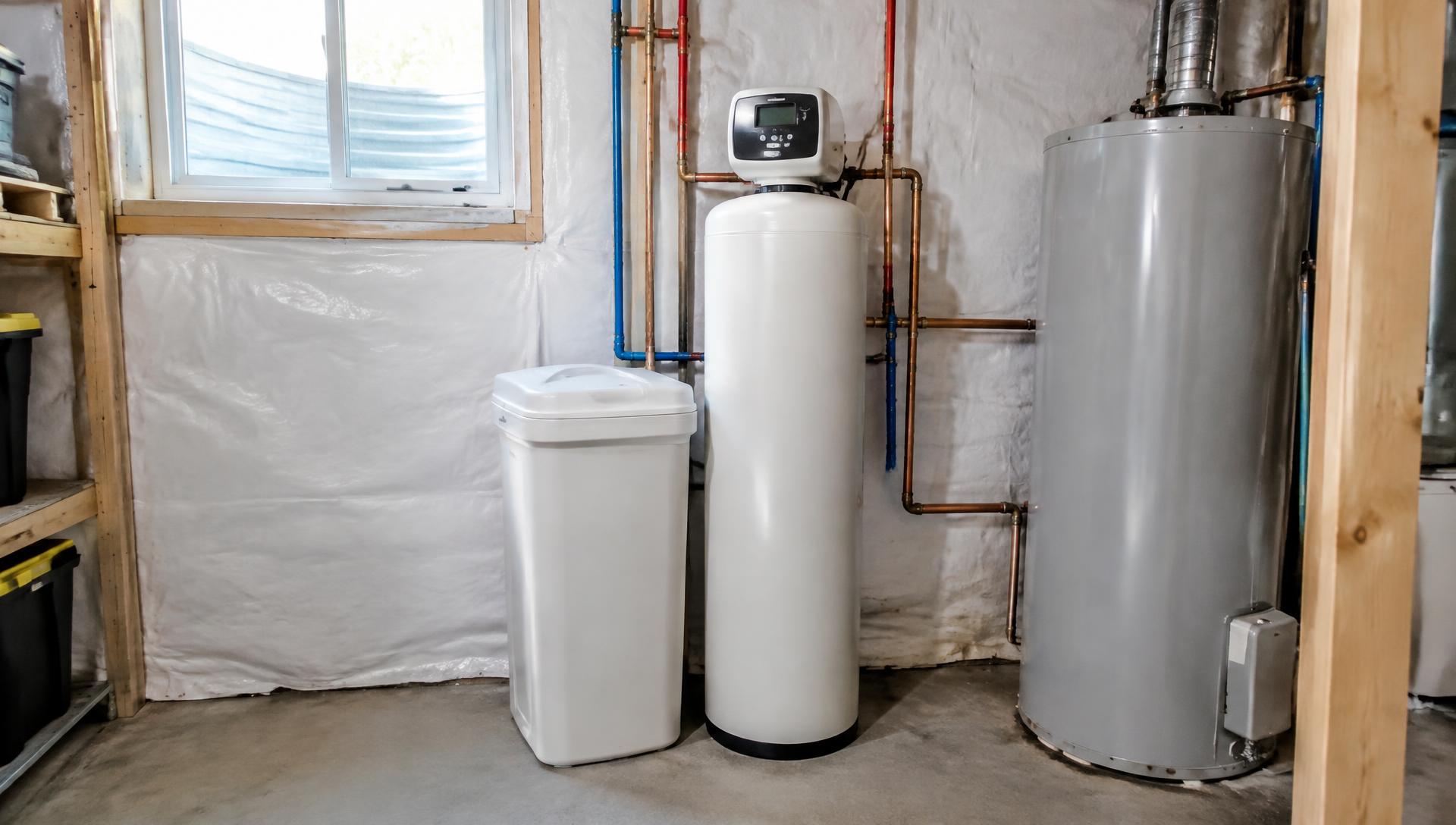
In this guide
- Our published installed prices for every whole-home package and drinking-water system, with no hidden numbers.
- The five factors that determine what a water softener costs for your specific home.
- What professional installation actually includes, and why it changes the value of the quote.
- The ongoing costs of owning a softener: salt, water for regeneration, and maintenance.
- How to compare quotes fairly, including warranties, guarantees, and what to ask before signing.
If you have started researching water softeners, you have probably noticed something frustrating: nobody wants to tell you what one costs. Most companies make you sit through an in-home sales visit before they will name a number. We think that is backwards. You should be able to budget for better water the same way you budget for any other home improvement, with real numbers up front. This guide lays out exactly what water treatment costs in the Twin Cities, what drives the price up or down, and how to compare quotes so you know what you are actually buying.
One thing before the numbers: a water softener is not a commodity like a refrigerator, where the same model costs roughly the same everywhere. The right system depends on your water hardness, your household size, your plumbing, and your water source. Two neighbors on the same street can legitimately need different equipment. That is why honest pricing starts with published baseline numbers and a conversation about your specific home, not a single universal price tag.
Our Published Installed Prices
We publish our installed prices because we believe you deserve to know the cost before anyone walks through your door. Here is what our packages cost, installed, at the time of writing. A whole-home filtration and softening system starts at $2,999. A dual-tank whole-home filtration system is $3,999. Salt-free and dual-tank well systems are $4,499. Iron and sulfur treatment for well water is $5,999. For drinking water, a traditional tank reverse osmosis system is $799, and the HW800 AlkaPro tankless reverse osmosis system is $999.
Every whole-home package includes professional installation, a system walkthrough so you understand what was installed and how to maintain it, and a kitchen reverse osmosis system at no additional cost. That last point matters when you compare quotes: many companies price the softener alone and treat drinking-water treatment as an upsell. We include it because we believe the water your family drinks should be part of the package, not an add-on.
Prices assume a standard installation, which covers the typical Twin Cities home with accessible plumbing near the main water line. If your home needs unusual plumbing work, a drain line run across the basement, or electrical work for the control valve, that can add to the total. Any reputable installer will tell you this before work begins, in writing. If a quote does not say what happens when the installation turns out to be non-standard, ask.
The Five Factors That Determine Your Price
The first factor is your water hardness. Hardness is measured in grains per gallon, and the higher it is, the more work the softener does every day. Higher hardness means you need more resin capacity, which means a larger tank and a higher equipment cost. Your utility's annual water quality report often lists hardness, and our local water quality page is a good starting point for Minneapolis and St. Paul data.
The second factor is household size and water use. A couple in a condo uses far less water than a family of six with three bathrooms. Capacity is about how much hardness the system can remove between regeneration cycles, and flow rate is about whether the system can keep up when two showers and a washing machine run at once. Undersized equipment regenerates constantly and wears out early. Oversized equipment wastes salt and water. Correct sizing is where professional guidance earns its keep.
The third factor is your water source. City water and well water are different jobs. City water in the Twin Cities is treated and tested by your utility, so the main concerns are usually hardness, chlorine taste and odor, and disinfection byproducts. Well water can add iron, manganese, hydrogen sulfide, and sediment to the list, and each of those may need its own treatment stage. A well system that handles iron and sulfur costs more than a basic softener because it is doing more.
The fourth factor is equipment type. A traditional ion-exchange softener, a salt-free conditioner, and a dual-tank system are different machines at different price points. Salt-free systems condition water rather than removing hardness minerals, which suits some homeowners and not others. Dual-tank systems provide soft water around the clock because one tank works while the other regenerates. Each design has honest trade-offs, and the right choice depends on your priorities, not on which one has the highest margin for the seller.
The fifth factor is installation conditions. A home with a basement, accessible main line, a nearby drain, and an outlet within reach is a straightforward install. A home where the main line enters through a crawl space, or where the drain is across the room, takes more labor and materials. This is why the same equipment can carry different installed prices in different homes, and why a phone quote that never asks about your plumbing setup should be treated as a rough estimate, not a promise.
Equipment Only Versus Professional Installation
Big box stores sell softeners for less than installed systems, and it is fair to ask why. The answer is that the sticker price covers a box, not a working system. Professional installation includes the plumbing work to tie into your main water line, a drain connection for regeneration, startup configuration matched to your actual hardness level, and a walkthrough so you know how the system works. It also includes accountability: if something leaks or underperforms, you have a company to call, and a written warranty behind the work.
A self-installed unit can absolutely work for a handy homeowner with the right tools and a forgiving plumbing layout. But sizing mistakes and installation mistakes are the two most common reasons softeners disappoint. A system configured for the wrong hardness level either regenerates too often, wasting salt and water, or too rarely, letting hard water through. When you compare prices, compare installed systems to installed systems. A box on a shelf and a working system in your basement are not the same product.
The Ongoing Costs of Owning a Softener
The purchase price is not the whole cost of ownership, and any honest guide should say so. A traditional softener needs salt for its brine tank, which a typical household refills every month or two depending on hardness and water use. Regeneration uses some water, which shows up modestly on your utility bill. And like any appliance, the system benefits from periodic checks: keeping the brine tank clean, watching for salt bridges, and replacing media or filters on the schedule the manufacturer specifies.
These costs are real but modest, and they belong in your budget conversation. What they should never be is a surprise. During a consultation, ask what the ongoing costs look like for the specific system being recommended, and ask what maintenance is included or available. A company that cannot answer that question clearly has not thought past the sale.
What Hard Water Costs You Without Treatment
The other side of the ledger matters too. Hard water scale forces your water heater to heat through a layer of mineral buildup before it heats your water, which means more energy for the same shower. Scale coats heating elements, narrows pipes, and shortens the working life of dishwashers and washing machines. Homeowners often replace an appliance without ever connecting the failure to their water. Then there are the small recurring costs: extra detergent and soap because hard water lathers poorly, descaling products for fixtures and coffee makers, and bottled water if your family does not like the taste of the tap.
None of these costs arrive as a single invoice, which is exactly why they are easy to overlook. Our savings calculator lets you enter your own household's bottled water, cleaning product, and appliance spending to estimate what better water could save you, using your numbers rather than industry claims. It is a more honest way to think about cost than any payback promise a salesperson can make.
How to Compare Quotes Fairly
When you have two or three quotes in hand, compare them line by line rather than bottom line to bottom line. Does each quote include installation, or is that separate? Does it include a drinking-water system, or is that an add-on? What capacity and flow rate is the equipment, and is it sized to your measured hardness and household, or is it a one-size-fits-all recommendation? What does the warranty actually cover, in writing, and who services the system if something goes wrong?
Be cautious with quotes that are dramatically lower than the others. A low number often means something was left out: the installation, the drinking-water system, the warranty, or the capacity your home actually needs. Be equally cautious with high-pressure tactics tied to a number, like a discount that expires today. A price that cannot survive a weekend of thought was never the real price. Our best-price guarantee exists for exactly this reason: bring us a lower written quote for comparable equipment and professional installation, and we will beat it.
Financing and Affordability
We started this company because we believe everyone deserves cleaner water, and that belief shapes how we think about price. A water treatment system is a real investment, and not every household can or should pay for it in one check. Financing options are available, and every system carries a lifetime warranty with the system-specific written terms provided during your consultation. The goal is straightforward: professional water treatment that a normal household budget can actually reach.
Renting, Buying, and the Long View
Some companies offer softener rentals, and it is worth understanding the trade before you sign. Renting lowers the upfront cost to a monthly payment, but the payments never end, and over several years a rental typically costs more than buying outright while you own nothing at the end of it. Buying costs more on day one and less over every year that follows, and the equipment is yours. For a homeowner planning to stay put, ownership is usually the better math. For a short-term living situation, renting can make sense. The right answer depends on your timeline, and an honest company will say so rather than steering you toward whichever option pays them more.
The long view also includes what happens after the install. A system you own needs salt, occasional maintenance, and eventually replacement media or filters, and it helps to have a local company that services what it sells. Ask any company quoting you: who do I call in year six, and what does that visit cost? The answer tells you as much about the real price of the system as the number on the quote.
One more note on timing: softener pricing in the Twin Cities is fairly stable through the year, but installation schedules are not. Spring and early summer, when homeowners tackle projects and well homes see seasonal water changes, book up faster than winter. If you are planning around a move, a remodel, or a new baby, getting on the schedule early costs nothing and saves the scramble.
Getting a Real Number for Your Home
The published prices above are real, and for many Twin Cities homes they are the final number. The way to know for sure is a short conversation about your water source, your household, and your plumbing. A free phone consultation starts with those questions, not a sales script, and our Find Your Solution tool can point you toward the categories worth exploring before you ever pick up the phone. You can also compare our systems side by side to see exactly what each package includes. Better water should be clear, honest, and affordable, and that starts with a price you can see before anyone rings your doorbell.
Frequently asked questions
How much does a water softener cost installed in the Twin Cities?
With Minnesota Water Pros, a whole-home filtration and softening system starts at $2,999 installed, including a kitchen reverse osmosis system at no extra cost. Dual-tank systems are $3,999, salt-free and dual-tank well systems are $4,499, and iron and sulfur treatment for wells is $5,999. Final pricing depends on your hardness, household size, and installation conditions.
Why do water softener quotes vary so much between companies?
Quotes vary because they include different things. Some cover equipment only, while others include installation, startup configuration, drinking-water treatment, and warranty support. Equipment capacity and sizing also differ. Compare quotes line by line and ask what is included, what the warranty covers in writing, and whether the system is sized to your measured hardness.
What ongoing costs come with a water softener?
A traditional softener needs salt refills, typically every month or two depending on hardness and water use, plus modest water use for regeneration cycles. Periodic maintenance keeps the system performing, and filters or media eventually need replacement on the manufacturer's schedule. Ask for these numbers for the specific system you are considering.
Is a cheaper big-box softener a good way to save money?
It can be, if you are comfortable with plumbing work and confident in your sizing. The sticker price covers the equipment only, not installation, configuration, or service support. The most common reasons softeners disappoint are sizing mistakes and installation mistakes, so compare the full cost of a working system rather than the cost of a box.
Does a water softener remove chlorine or other contaminants?
No. A softener reduces hardness minerals like calcium and magnesium through ion exchange. It does not remove chlorine, disinfection byproducts, lead, or PFAS. That is why many homes pair a softener with carbon filtration for the whole house and reverse osmosis for drinking water.
How do I know what size softener my home needs?
Sizing depends on your water hardness in grains per gallon, your household's daily water use, and the flow rate your plumbing needs at peak times. A professional sizes the system from your measured hardness and household details. Your utility's annual water quality report often lists hardness, and a consultation can confirm the rest.
More from the blog
Does a City-Softened Minneapolis Home Need Extra Water Treatment?
Minneapolis already softens its municipal water. Here is how to decide whether additional household treatment serves a real purpose.
Saint Paul Drinking-Water Taste: Kitchen Filter or Main-Line Treatment?
A kitchen taste preference and a whole-home treatment goal are different projects. Learn how to compare them in an existing Saint Paul home.
Bloomington Water Treatment for Houses and Condos: Know Your Plumbing
Bloomington's combined municipal supply is only part of the decision. Your plumbing boundary and maintenance authority determine which options fit.
Edina or Morningside? Plan the Right Water Treatment for Your Remodel
Edina's two water systems make address-level planning important. Learn how to connect your supply, household measurements, and kitchen remodel decisions without assuming every home needs the same equipment.
Talk through your water with a local pro
A free phone consultation starts with your water source and your goals. Published installed pricing, kitchen reverse osmosis included with every whole-home package, and a best-price guarantee.