
Skip to content
MINNESOTA
WATER PROS

Service Area

Water Treatment Services in the Twin Cities & Surrounding Areas

From Minneapolis and St. Paul to the surrounding metro, we help homeowners explore water softening, whole-home filtration, and dedicated drinking-water systems that fit their water, their home, and their budget.

City water and private wells need different starting points. Share your city or ZIP code so we can confirm availability for your address and discuss the right next step.

Twin Cities
Regional context only — not a verified coverage boundary.

Regional focus

Our focus is the Twin Cities metro and surrounding communities. Explore your community below for local water-source information, home-planning considerations, and treatment options that may be worth discussing.

Don't see your city? The list is a starting point, not a complete boundary. We'll confirm availability for your specific address before planning service.

Local water, different starting points

Your address matters. So does your water source.

A nearby city's water report isn't a test of your tap. Start with the utility serving your address—or current testing for a private well.

Municipal water

Public water is treated before it reaches your home, but source water and treatment processes differ across the metro. Hardness, taste preferences, and your goals should be considered separately rather than assuming every city-water home needs the same equipment.

View local utility snapshots
Private well water

A private well needs its own current test results. Hardness, iron, sediment, and other measured conditions can inform different treatment stages. A municipal report—or a neighbor's results—cannot establish what is in your well.

Explore well-water treatment

Minneapolis

Minneapolis draws its municipal water from the Mississippi River. City treatment includes softening, so incoming city water is not the same starting point as untreated groundwater. Review the current utility report and measure your household's hardness before deciding whether additional softening would be useful.

Local guidance Official water-source information

Edina

Edina operates two separate water systems. Most of its service uses groundwater wells, while Morningside receives treated Minneapolis surface water. Confirming which system supplies your address is especially important before comparing hardness or choosing filter media.

Local guidance Official water-source information

Minnetonka

Minnetonka lists municipal treatment steps that include disinfection, fluoridation, iron removal, and corrosion control. The city states that its treatment does not reduce hardness. A household hardness measurement is therefore useful when comparing softening, while a filter should be selected for a separate, specific goal.

Local guidance Official water-source information

How we can help

A water plan for the way you live.

Start with the concern you want to address. No single system does everything, and not every household needs whole-home treatment.

Whole-home filtration

Explore treatment at the point where water enters your home.

Explore options

Reverse osmosis

Explore a dedicated system for drinking and cooking water.

Explore options

Water softeners

Address hardness minerals associated with scale and spotting.

Explore options

Carbon filtration

Explore options for specific taste and odor concerns.

Explore options

Well-water treatment

Start with your well's test results and the concerns you want to address.

Explore options

City-water treatment

Explore treatment options that complement your household's municipal water supply.

Explore options

Plan around your home

A few details make a more useful conversation.

An established city home, a newer suburban house, and a private-well property can have very different installation needs. These details help us discuss a practical fit without guessing.

  • Water source and results

    Your utility name or well status, recent water reports, and any household test results.

  • Your everyday priorities

    Where you notice a concern, how many people use the water, and whether your goal is kitchen-only or whole-home treatment.

  • Space and existing equipment

    Main-line location, utility-room or cabinet space, drain access, and any system already installed.

  • Budget and timing

    Your priorities, a planned remodel or equipment replacement, and the ongoing maintenance you're comfortable with.

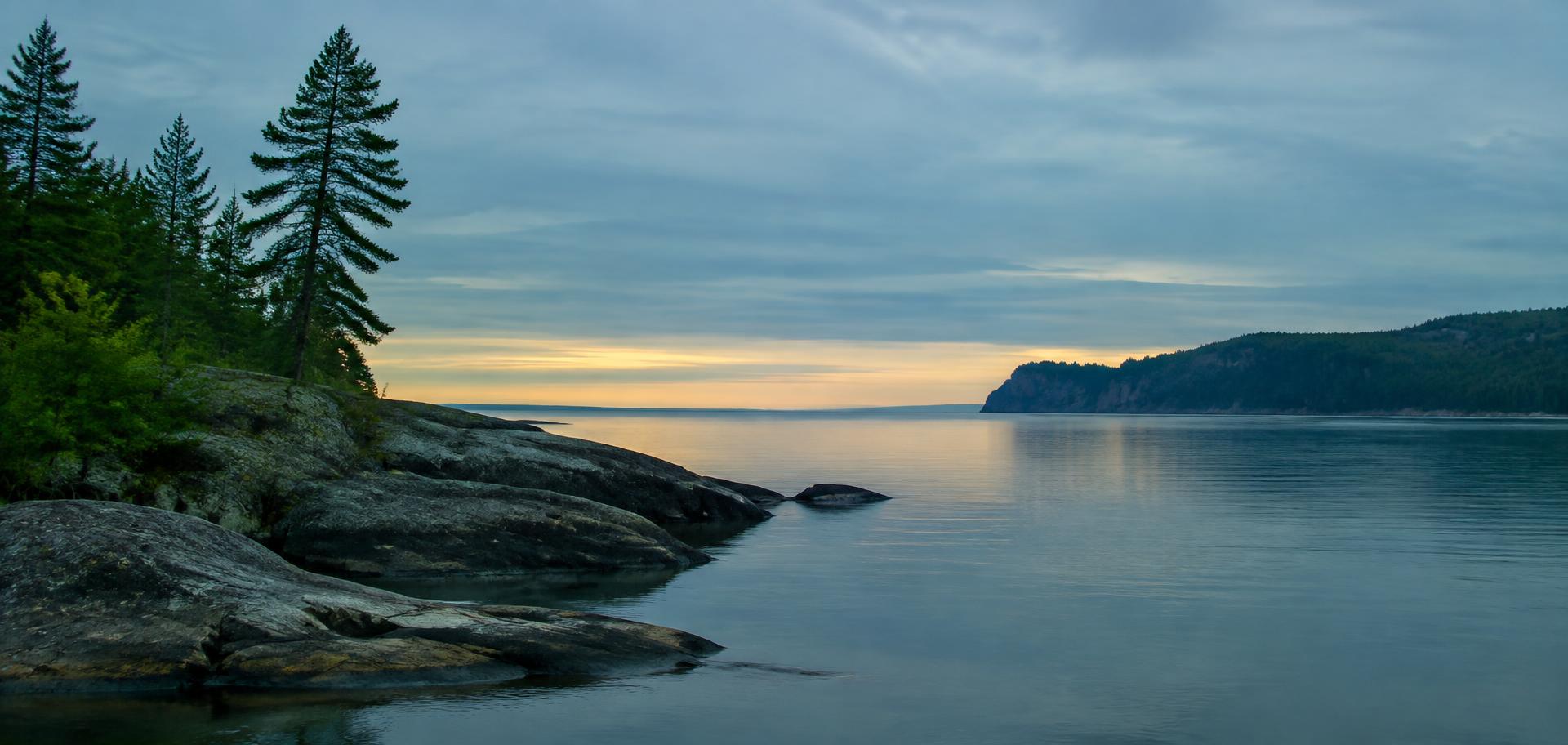
Minnesota lakeshore with pine trees at dawn

Everyone deserves cleaner water

Local guidance. A budget-conscious plan.

Access to cleaner water is why Minnesota Water Pros exists. Compare the options around your actual priorities, review published pricing, and consider upkeep alongside the initial installation—not just the equipment alone.

Explore installed pricing

Before you get started

Service area questions

Do you serve communities outside the city list?

Our focus is the Twin Cities metro and surrounding communities. The communities listed here are not an exhaustive coverage boundary. Share your city or ZIP code and we'll confirm availability for your address.

Does entering my ZIP code book a visit?

No. The availability check points you toward a consultation request; it does not schedule a visit or confirm coverage on its own. Any visit needs to be arranged directly.

Is the same system right for every Twin Cities home?

No. Utility treatment, private-well results, household water use, and installation space can all differ. A softener addresses hardness, while filtration and reverse osmosis address different goals. Selection should follow your water information and documented system performance.

Can you help if I don't know my water source?

Start with a water bill, your utility's website, or property records to identify the supply. You can still tell us what you're noticing and where you live while you gather that information.

Can a city water report tell me whether my tap water is safe?

A utility report describes the public water system, not an individual household sample. Taste, smell, and appearance also cannot establish water safety. For a specific concern, consult your utility or an appropriate testing professional; private wells need their own testing.

Your next step
toward better water.

Tell us what you're noticing. We'll help you explore the next step for your home.

Request a Consultation