
Minnesota Water Pros blog
10 Signs of Hard Water in Your Home (and What to Do About Them)
Published October 8, 2026 · 10 min read · Educational content only, not a water quality diagnosis.
In this guide
- The ten most visible signs of hard water, from spotted glassware to crusted showerheads.
- The hidden signs: scale inside your water heater, pipes, and appliances.
- Why hard water makes soap and detergent less effective.
- How to confirm your hardness level with utility data or a simple test.
- What actually fixes hard water, and what only masks the symptoms.
Hard water rarely announces itself all at once. It shows up as a dozen small annoyances that are easy to dismiss individually: a spotted wine glass here, a crusty faucet there, a towel that never quite feels soft. Minnesota's geology makes hard water common across the state, so if several of the signs below sound familiar, your water is the likely common thread. This guide walks through the ten most common signs, what causes each one, how to confirm your hardness level, and what actually fixes the problem.
One reassurance up front: hard water is not a health concern. The calcium and magnesium that cause it are harmless to drink. The case for treating it is about your home, your appliances, your cleaning budget, and your daily comfort, not safety. The Minnesota Department of Health describes softening as an optional, preference-based choice, and that framing is exactly right.
The Signs You Can See
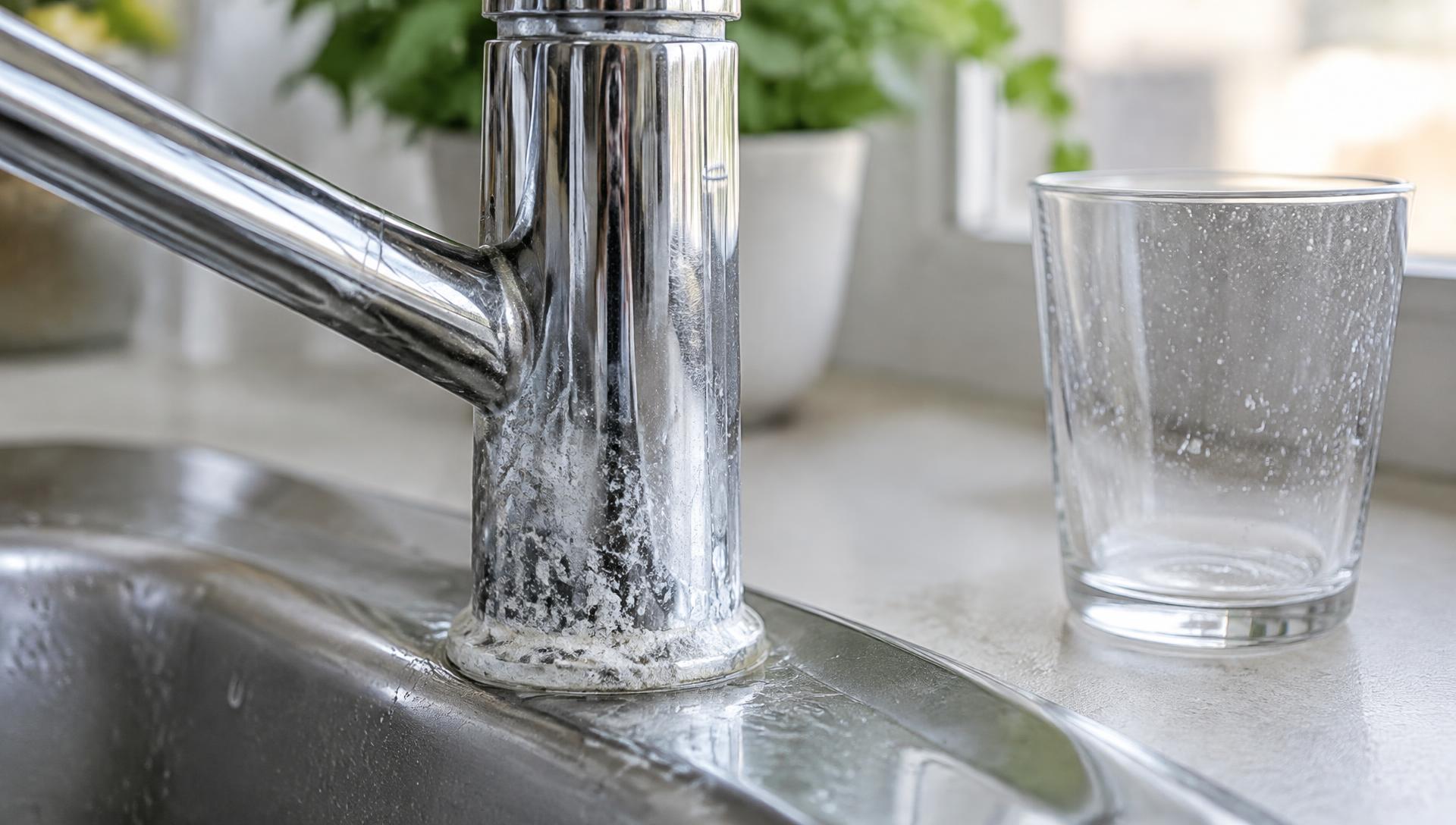
Sign one: white or cloudy spots on dishes and glassware. When hard water evaporates, the dissolved minerals stay behind as a chalky residue. If your glasses come out of the dishwasher looking like they were washed in milk, that is hardness, not your detergent. Sign two: scale crusted around faucets and showerheads. The same mineral deposit builds up wherever water sits or drips, forming a white or off-white crust that scrubbing removes only temporarily.
Sign three: soap scum on shower doors, tubs, and tile. Hardness minerals react with soap to form a sticky curd instead of a clean lather, and that curd is the film you find yourself scrubbing every week. Sign four: soap and shampoo that will not lather. If you need a palmful of shampoo to get any suds, or your hand soap feels like it never quite rinses clean, the minerals are interfering with the surfactants that make soap work.
Sign five: laundry that feels stiff, looks dull, or fades fast. Minerals deposit in fabric fibers, so towels lose their softness and colors lose their brightness no matter which detergent you buy. Sign six: dry, itchy skin and flat, dull hair after showering. The same soap residue that films your shower door films you, and hard water makes it harder to rinse away. Many families notice this sign first in winter, when Minnesota air is already dry.
The Signs Hiding Inside Your Home
Sign seven: a water heater that rumbles, pops, or takes longer to do its job. Scale settles on the bottom of the tank and coats the heating element, so the burner or element has to heat through a mineral layer before it heats your water. That means more energy for the same shower and more wear on the appliance. Sign eight: appliances that die young. Dishwashers, washing machines, and coffee makers all have small passages and heating elements that scale clogs and coats. Homeowners often replace an appliance without ever connecting the failure to their water.
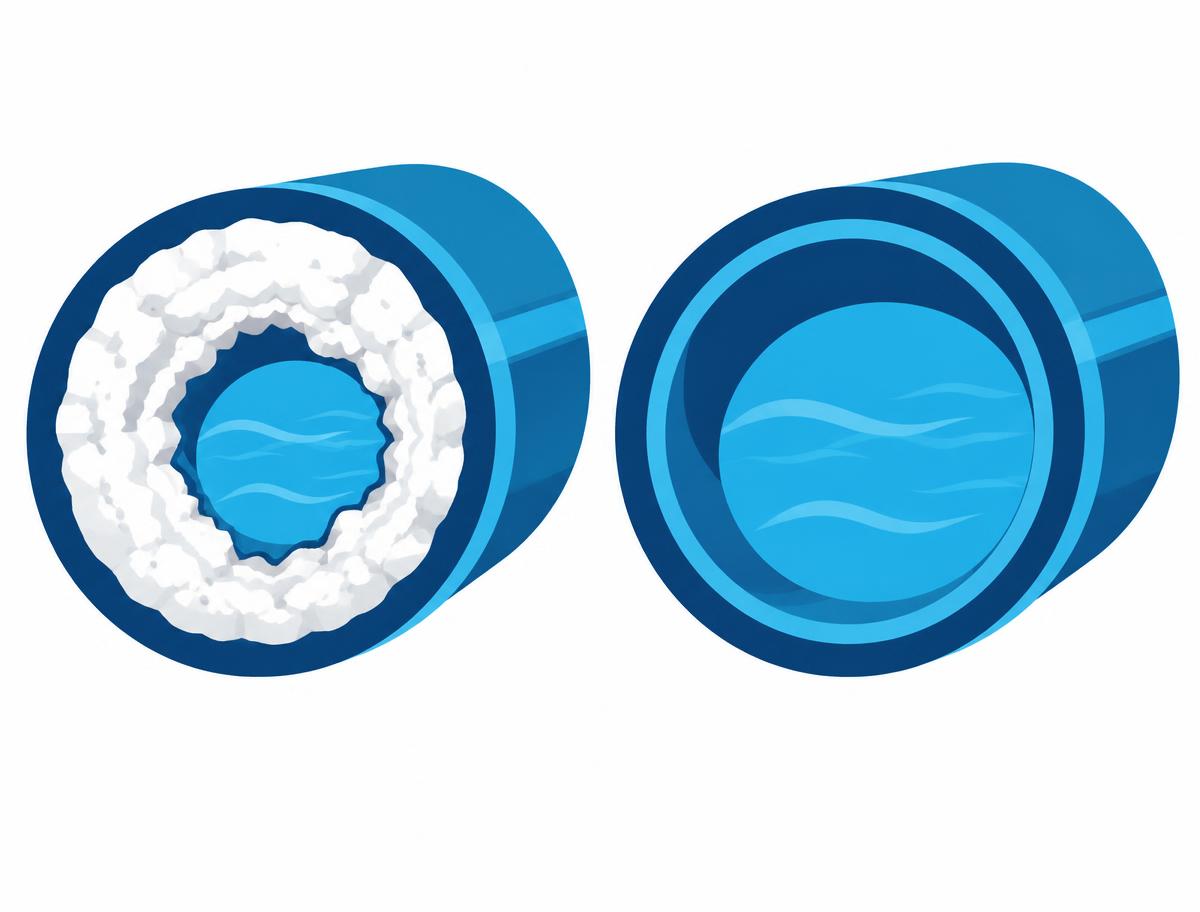
Sign nine: water pressure that has slowly declined over the years. Scale narrows the inside of pipes the way plaque narrows an artery, gradually restricting flow. Sign ten: rising spending on the workarounds. Extra detergent and fabric softener, descaling products for the coffee maker and showerhead, bottled water because the tap tastes flat, lotions for dry skin. None of these arrive as one invoice, which is why they are easy to overlook. Our savings calculator lets you add up your own household's numbers to see what the workarounds actually cost you.
How to Confirm It Is Hard Water
The signs above are strong circumstantial evidence, but confirming hardness takes one of two easy steps. If you are on city water, your utility's annual water quality report often lists hardness for your system. Our local water quality page compiles Minneapolis and St. Paul utility data with sources and reporting periods, and it is a good starting point. If you want a number for your own tap, inexpensive hardness test strips are sold at hardware stores and give you a reading in grains per gallon in minutes.
If you are on a private well, the picture is broader. Well water commonly involves hardness along with iron, manganese, and sometimes hydrogen sulfide, and no one tests a private well unless you do. The Minnesota Department of Health recommends that well owners test regularly through an accredited laboratory. Our guide to well water treatment in Minnesota covers that situation in detail, because the right fix for a well is often more than a softener alone.
What Actually Fixes Hard Water
Here is the honest answer: the only way to fix hard water is to remove the hardness minerals or change how they behave, and everything else is a workaround. Descaling products remove scale after it forms. Extra detergent compensates for poor lathering. Bottled water avoids the tap. All of these treat symptoms, forever, at a monthly cost that never ends.
A water softener removes the minerals themselves through ion exchange, a process we explain step by step in our guide to how water softeners work. The result is water that does not leave scale, spots, or soap scum anywhere in the house: not on the glassware, not on the shower door, and not inside the water heater. Salt-free conditioners are the middle path: they change how minerals crystallize so scale sticks less, though the minerals stay in the water and the spot and soap benefits are milder. Which approach fits depends on your water and your priorities, and our Find Your Solution tool can help you think it through in a couple of minutes.
When the Signs Point to Something Else
A few look-alike problems deserve a mention, because treating the wrong problem wastes money. Reddish or brown stains, rather than white scale, usually point to iron, which is common in Minnesota well water and needs its own treatment stage. A rotten egg odor points to hydrogen sulfide, another well-water issue. A chlorine smell or taste is your utility's disinfection doing its job, and the fix is carbon filtration rather than softening. Blue-green stains suggest corrosive water interacting with copper plumbing, which is a different conversation entirely.
What Hard Water Costs Over Time
It is tempting to file hard water under minor annoyances and live with it, and plenty of households do. The reason to reconsider is that the costs compound quietly. A water heater fighting through scale uses more energy every single day, for years. Appliances that should last a decade or more give out early. The extra detergent, the descaling products, the bottled water, the fabric softener: each is a small line item, but they repeat every month, and they never stop, because the cause is never addressed.
A useful exercise is to add up one year of the workarounds. Count the extra cleaning products, the descalers, the bottled water if your family buys it, and a share of any appliance that failed early. Most households are surprised by the total, precisely because no single purchase ever felt significant. Our savings calculator walks you through exactly this estimate with your own numbers, so the figure reflects your household rather than an industry average.
Set against that running total, treatment looks different. A softener is a one-time investment with modest ongoing costs, salt and a little regeneration water, that directly removes the cause. The published installed prices on our site mean you can make that comparison with real numbers: what you are spending to live with hard water, against what it costs to stop living with it. For many Twin Cities households, the math is clearer than they expected.
Hard Water in Minnesota Winters
Minnesota winters make every one of these signs louder. Cold, dry air already strips moisture from your skin, and hard water compounds it: soap residue that rinsed away tolerably in July becomes a daily irritation in January. Water heaters work their hardest in winter, which is exactly when scale insulation costs the most energy. And humidifiers, the small comfort appliances many Twin Cities homes run all season, clog with mineral dust fast on hard water, which is why some manufacturers recommend distilled water for them.
If you have ever wondered why your skin feels worse at home than at the gym or a hotel, or why the humidifier needs cleaning every week, winter is when hard water stops being abstract. Many homeowners first decide to act during the cold months, when the signs are impossible to ignore, and that timing is fine. A softener installed in February works just as well as one installed in June.
A Quick Self-Audit You Can Do Tonight
Before you buy anything, walk your home with fresh eyes. Check the showerhead for white crust. Look inside the kettle or coffee maker. Run a load of dishes and hold a glass up to the light. Feel a towel fresh from the dryer. Look at the base of your faucets and the floor of the shower. Each of these takes seconds, and together they give you a honest picture of how hard water is showing up in your specific home.
Then do the soap test: fill a clean bottle halfway with tap water, add a few drops of pure liquid soap (not detergent), and shake. Lots of fluffy lather that lasts means softer water. Thin, quickly collapsing suds with cloudy water means hardness is consuming the soap before it can lather. It is not a lab measurement, but it is a satisfying confirmation of what the other signs already told you, and it makes the invisible problem visible in about thirty seconds.
What Neighbors Across the Metro Notice First
Every home's water is a little different, but the pattern we hear across the Twin Cities metro is consistent. In the older housing stock of Minneapolis and St. Paul, the first complaint is usually the shower: the film that will not rinse, the doors that never stay clear. In newer suburbs, it is the appliances, a dishwasher or water heater underperforming years before it should. In well homes outside the metro, staining joins the list. Whatever your version looks like, the signs in this guide are the same ones a professional will ask about, so walking in with your own observations makes any consultation faster and more useful. You are not imagining the pattern, and you are not alone in it. Hard water is one of the most common household water issues in Minnesota, and it is one of the most completely solvable.
Your Next Step
If you recognized your home in this list, the path forward is simple. Confirm your hardness with your utility's report or a test strip, note which signs bother your household most, and then look at your options with real prices in hand. Hard water is common, well understood, and entirely fixable. The only thing that does not fix it is waiting, because scale keeps building whether or not you are watching.
This is why we start every conversation with your water source and what you are actually noticing, not with a product. Bring your list of signs, your utility report or test strip result, and your questions, and the conversation gets specific fast. The sooner you name the problem clearly, the sooner it stops quietly costing you money. A free phone consultation is exactly that: a conversation about your water, with published installed prices waiting on the other end if treatment makes sense. We serve Minneapolis, St. Paul, and surrounding communities across the metro. If your home is showing three or four of the signs above, your water is telling you something, and now you know how to read it.
Frequently asked questions
What are the most common signs of hard water?
White spots on dishes and glassware, chalky scale on faucets and showerheads, soap scum on shower doors, soap that lathers poorly, stiff or dull laundry, and dry skin and hair after showering. Hidden signs include scale inside the water heater, declining water pressure, and appliances that wear out early.
Is hard water bad for your health?
No. The calcium and magnesium that cause hardness are harmless to drink. The Minnesota Department of Health describes softening as an optional, preference-based choice. The case for treating hard water is about protecting appliances and plumbing, reducing cleaning costs, and everyday comfort.
How can I test my water hardness at home?
Inexpensive hardness test strips from a hardware store give a reading in grains per gallon within minutes. If you are on city water, your utility's annual water quality report often lists hardness for your area. Well owners should use a current test from an accredited laboratory, since wells can involve more than hardness.
Will a water softener remove the white buildup on my faucets?
A softener stops new scale from forming by removing the hardness minerals that cause it. Existing buildup still needs to be cleaned off, but once the water is softened, the crust stops coming back. The same applies inside your water heater and appliances, where scale does its most expensive damage.
Why does my soap not lather, and will soft water fix it?
Hardness minerals react with soap to form a sticky curd instead of a clean lather, which is why you use more shampoo, detergent, and dish soap than you should. Softened water lets soap work the way it is designed to, so most households use noticeably less of every cleaning product.
What is the difference between white scale and reddish-brown stains?
White or chalky buildup is hardness scale from calcium and magnesium. Reddish or brown stains usually indicate iron, which is common in Minnesota well water and requires its own treatment stage. If you see rust-colored staining, a water test will confirm what you are dealing with before you choose equipment.
More from the blog
Does a City-Softened Minneapolis Home Need Extra Water Treatment?
Minneapolis already softens its municipal water. Here is how to decide whether additional household treatment serves a real purpose.
Saint Paul Drinking-Water Taste: Kitchen Filter or Main-Line Treatment?
A kitchen taste preference and a whole-home treatment goal are different projects. Learn how to compare them in an existing Saint Paul home.
Bloomington Water Treatment for Houses and Condos: Know Your Plumbing
Bloomington's combined municipal supply is only part of the decision. Your plumbing boundary and maintenance authority determine which options fit.
Edina or Morningside? Plan the Right Water Treatment for Your Remodel
Edina's two water systems make address-level planning important. Learn how to connect your supply, household measurements, and kitchen remodel decisions without assuming every home needs the same equipment.
Talk through your water with a local pro
A free phone consultation starts with your water source and your goals. Published installed pricing, kitchen reverse osmosis included with every whole-home package, and a best-price guarantee.